
 Asim Deb
Mile Sur Mera Tumhara to Sur Bane Hamara
© Asim Deb
If you are grown in the 80s or early 90s of the last century, in India, chances are surely you remember the ‘Mile Sur Mera Tumhara’ video and songs that was aired on Doordarshan. Through just a few lines of lyrics and brief musical compositions mostly of 10-15 seconds presented in various languages from different regions of vast India; all these short songs energised a sense of unity across the entire nation. It became a powerful symbol of united India. There was no doubt about the immense popularity of this Doordarshan presentation in millions of households across the length and breadth of the country – that from Punjab, Sindh, Gujarat, Maratha, Dravida, Utkal, Bongo; and among the Hindus, Buddhists, Sikhs, Jains, Parsis, Muslims, Christians, and people of other faiths alike. At the time, this brief six-minute video surpassed any industry benchmark that had existed for a long period. That’s amazing.
‘Mile Sur Mera Tumhara’ was the first of its kind of Indian national integration musical video. It was telecast for the first time on Independence Day 1988, after Prime Minister Rajiv Gandhi’s Independence Day speech from the Red Fort, and has since remained an iconic representation of India’s national pride. The national integration video was intended to promote a sense of pride and unity amongst Indians, highlighting India’s different linguistic communities and societies – India’s unity in diversity, so to speak, it was a composition as if the unofficial anthem of India. People from all walks of life participated in this video presentation; some sang in their own languages, others lip-synced to songs, and many simply expressed themselves before the camera without uttering a word. Yet, the message shared by all was the same: ‘Mile Sur Mera Tumhara’. This translates to: ‘When you and I sing in the same tune, the tune becomes ours, making it indistinguishable.’
The song first starts with Hindi, and in order, Kashmiri, Punjabi, Hindi again, Sindhi, Urdu, Punjabi again, Tamil, Kannada, Telugu, Malayalam, Bengali, Assamese, Odia, Gujarati, Marathi, and ends in Hindi.
Even though the lyrics of songs in various regional languages were not understood by the people of other tongues, people across the length and breadth of the country, from the seas to the snow-covered Himalayas, embraced these diverse melodies as their own; for the hearts of all Indians beat in unison for the same motherland. When the melody of the motherland weaves diverse cultures together, a legend is born. ‘Mile Sur Mera Tumhara’, a unique creation and a symbol of India’s unity embodied the pride and patriotism of the Indian people.
The music, based on Raag Bhairavi, was a fusion of Hindustani and Carnatic classical traditions with modern elements, representing the blending of India’s vast musical heritage.
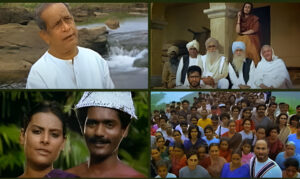
All these people speaking so many different languages do unite and assemble, have the same hearts beating for their very same motherland. All of them dance to the one tune that eulogizes their motherland, when that one tune unites this diversity of cultures, a legend was born. Mile Sur Mera Tumhara, the magnum opus on the unity of India unfolded Indian pride and patriotism, this masterpiece carried forward the legacy considered only next to the national anthem Jana Gana Mana, and was proclaimed as the most popular unofficial national anthem of India, across India.
Although there is no official documentation, unverified reports from Doordarshan indicate that the then Prime Minister, Rajiv Gandhi, asked Jaideep Samarth and Kona Prabhakar Rao to produce a video on national integration. The national body ‘Lok Seva Sanchar Parishad’ initiated the concept, and the responsibility for its broadcast was entrusted on Doordarshan, India’s sole television broadcaster at the time, and the Ministry of Information. Jaideep Samarth was a senior executive at the agency Ogilvy Benson & Mather (OBM). He approached Suresh Mallick with a proposal from Doordarshan to produce a film based on the theme of India’s national unity, intended for release on Independence Day, August 15, 1988. Having previously collaborated with Kailash Surendranath on the successful 1985 short film *Freedom Run* which also focused on national integration; Suresh Mallick was selected to produce this new film as well. Subsequently, Suresh Mallick and Kailash Surendranath contacted Pandit Bhimsen Joshi, who readily agreed to participate. Suresh Mallick proposed a song that blended Carnatic and Hindustani classical music with modern music and, acting on Pandit Joshi’s advice, decided to compose a piece based on ‘Raga Bhairav’. Piyush Pandey wrote the lyrics; his version was finally accepted after seventeen drafts had been rejected one by one. For the precise musical blend and final arrangement, Suresh Mallick selected Louis Banks and L. Vaidyanathan. Pandit Bhimsen Joshi, M. Balamuralikrishna, and Lata Mangeshkar lent the main voices to various segments of the song.
Subsequently, Aarti Gupta, Suresh Mallick, and Kailash Surendranath planned the project, with Surendranath taking charge of the direction. He envisioned a video featuring around fifty prominent actors, artists, and athletes from various regions of the country. Shooting with them would have to take place in various locations, such as mountain peaks, riverbanks or seashores, rainforests, or against the backdrop of dense forests. The challenge lay in creating a shooting schedule, or ‘shooting calendar’, that could coordinate over fifty busy stars across multiple languages and diverse locations. There was also the question of whether these stars would be willing to spare their time for appearances lasting merely just a few seconds on camera? Back then, there was no email, WhatsApp, or mobile phones. Consequently, everything had to be handled by sending letters via post, meaning papers sealed in envelopes with postage stamps, or by trying to reach the person on a landline. Explaining the entire plan required writing letters or speaking over the phone. It would take three months just to coordinate schedules and plan exactly which city each person would be in on a specific date. The artists would then travel to the designated shooting location to film just a 10–15 second video on them.
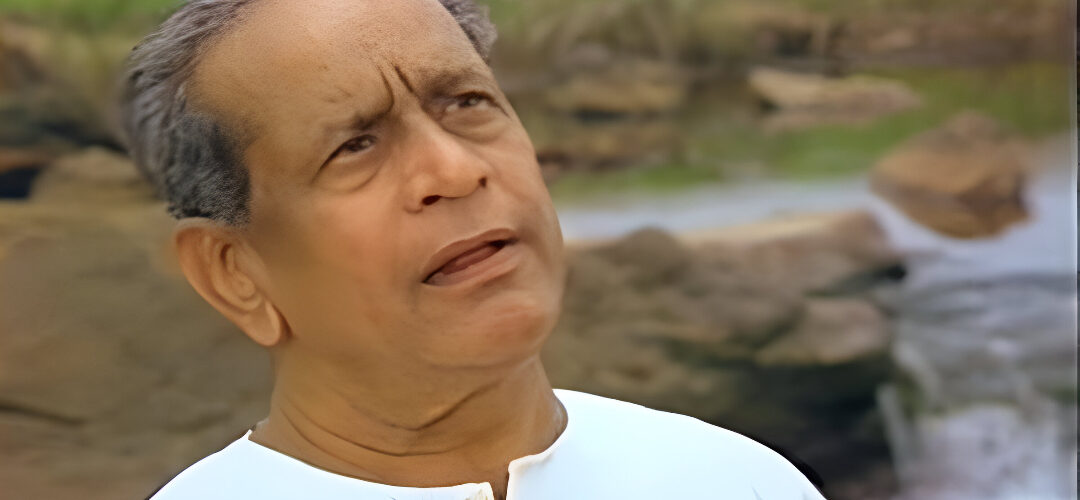
Kailash Surendranath shot the opening sequence featuring Pandit Bhimsen Joshi at the Pambar Falls in Kodaikanal. Pandit Bhimsen Joshi composed the melody—based on the Indian classical *Raga Bhairav* for the song featured at the beginning of the video, with musical arrangements by Ashok Patki and Louis Banks. The lyrics were penned by Piyush Pandey, the man renowned for creating massive impacts on the audience through video advertisements lasting merely fifteen to twenty seconds. He had already made his mark through advertisements for brands like Fevicol, Cadbury, and Asian Paints, as well as the Government of India’s polio campaign. Here, too, the challenge was similar: to portray the national integration of a vast country within a short video. Piyush Pandey took up this task and, in just six minutes, wove together multiple languages to articulate the cultural essence of national integration, highlighting the theme of “Unity in Diversity.”
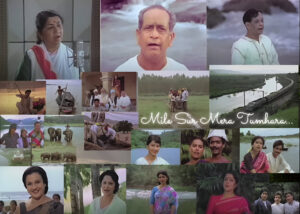
The music video then proceeds through a sequence of languages: Kashmiri, Punjabi, again Hindi, Sindhi, Urdu, Punjabi once more, Tamil, Kannada, Telugu, Malayalam, Bengali, Assamese, Odia, Gujarati, and Marathi, before finally concluding in Hindi. The visuals also showcase diverse regions of India ranging from snow-capped Kashmir to the beaches of Tamil Nadu or Goa; and feature people from various social strata and professions. In one segment of the video, a song set to the melody of *Raga Bhairavi* blends Hindustani and Carnatic classical traditions with modern elements, showcasing the diverse musical heritage of India. All these languages were included in the Eighth Schedule of the Indian Constitution in 1988.
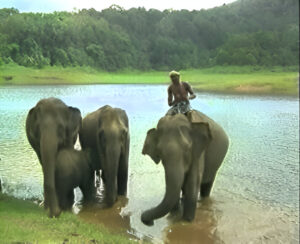
Beyond the initial plan, some parts of the shoot were the result of spontaneous improvisation. The scene featuring elephants in Kerala was precisely in this manner when Surendranath noticed a herd of elephants moving from one location to another and so captured the moment. He immediately arranged the set and had him sing that song in Malayalam. Similarly, while filming a scene featuring M. Balamuralikrishna’s near Mahabalipuram, they discovered that the Tamil actor Kamal Haasan was present there! Kamal Haasan readily agreed to participate but declined to be in the limelight; instead, he quietly enjoyed the music, much like an ordinary student.
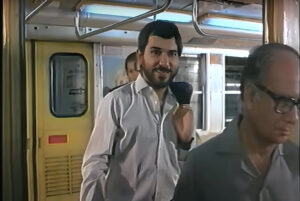
While attempting to capture an aerial shot of the Taj Mahal, it was learned that Indian airspace regulations did not permit an aircraft to fly that close. Surendranath then met the office of an Indian Air Force (IAF) Air Marshal and filmed an aerial view of the Taj Mahal from an IAF helicopter. India’s first metro train was in Kolkata; at the time, it represented state-of-the-art technology. Suresh Mallick insisted that it must be included in the video. The video features footage of both the Kolkata Metro and also Maharashtra’s ‘Deccan Queen’ train.
Surendranath was keen for singer Lata Mangeshkar to feature in this video promoting national unity. However, Lataji’s schedule was already fully booked for the next three months. Just as Surendranath had given up hope, Lataji returned to Mumbai, barely 72 hours before the video’s official release, and arrived at his studio wearing a sari featuring the three colors of the Indian national flag. She recorded her part of the song in a single, flawless take. No retakes, no edits – just Lata-ji’s pure, magical voice, which found its way straight into the final version. It was as if the universe itself had sent a message: “Here is your perfect ending!”
For the final scene of the video, Surendranath envisioned children standing proudly, holding the Indian tricolour. Suresh Mullick wrote to the headmaster of his school in Shimla—he was an alumnus of that very school. Upon receiving the letter, school teachers organized the students, dressed them in the colors of the Indian national flag, and rehearsed them in a ‘formation.’ It was in this manner that the final scene of the video became a reality.
Many prominent figures agreed to participate in this film at Doordarshan’s request; only Naseeruddin Shah was unable to spare his time. The video was recorded featuring distinguished individuals from various fields and regions across the country. The lead vocalists included Pandit Bhimsen Joshi, Lata Mangeshkar, M. Balamuralikrishna, Kavita Krishnamurthy, Shubhangi Bose, and Suchitra Mitra.
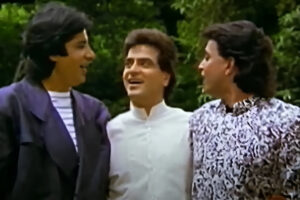
The video featured both on-screen and behind the scenes, renowned personalities from various Indian states, including Pandit Bhimsen Joshi, Lata Mangeshkar, Mangalampalli Balamuralikrishna, Kavita Krishnamurthy, Mrinal Sen, Amitabh Bachchan, Mithun Chakraborty, Jeetendra, Waheeda Rehman, Mallika Sarabhai, Hema Malini, Prakash Padukone, and Gurbux Singh, S. Venkataraghavan, Chuni Goswami, P.K. Banerjee, Syed Kirmani, Leslie Claudius, Ramanathan Krishnan, Erapalli Prasanna, Diana Edulji, Ghulam Abbas Moontasir, Arun Lal, Narendra Hirwani, Amala Shankar, Satyanarayan Raju, Sudharani Raghupathy, Javed Akhtar, Tanuja Samarth (Mukherjee), Kamal Haasan, Om Puri, Saira Banu, Sharmila Tagore, Meenakshi Seshadri, Asha Kelunni Kutty (Revathi), Shabana Azmi, Bhisham Sahni, Harish Patel, Virendra Saxena, Gitanjali, Suchitra Mitra, Shubhangi Bose, K.R. Vijaya, Deepa Sahi, Dina Pathak, Mario Miranda, Suhasini, Uttam Mohanty, Sunil Gangopadhyay, Nirendranath Chakraborty, Ananda Shankar, Pratap Pothen, A.V. Ramanan, R.A. Rama Mani, Kalpana Kuttiya, Banshi Maneyapanda.
These distinguished personalities reside in various parts of India, and all of them remain constantly occupied with their respective professions. Therefore, traveling across the length and breadth of vast India… Aligning their schedules with the project timeline was a massive undertaking. While the artists’ work in front of the camera lasted only a few fleeting moments, the greatest challenge lay in maintaining overall coordination between all parties—including the behind-the-scenes team—to ensure seamless execution. This is where Aarti Gupta, Suresh Mallick, Kailash Surendranath and his production team, along with Ogilvy’s film specialist Vicky Bangera, played a pivotal role, They have all demonstrated their indomitable spirit and talent through a music video.
The lyrics: (It is worth noting here that the pronunciation of any regional language carries a distinct local influence; even when transcribed into another language’s script, the pronunciation cannot be captured with 100% accuracy. While I have written the lyrics from the video in the Bengali script, it is not possible to represent the exact pronunciation with 100% precision using this script.)
मिले सुर मेरा तुम्हारा तो सुर बने हमारा
सुर की नदियाँ हर दिशासे बहते सागर में मिलें
बादलों का रूप लेकर बरसे हल्के हल्के
मिले सुर मेरा तुम्हारा तो सुर बने हमारा
(कॉशुर, Kashmiri)
चॉन्य् तरज़ तय म्यॉन्य् तरज़
इक-वट बनि यि सॉन्य् तरज़
(Chaun taraz th meun taraz,
ekvat bane ye son taraz)
(ਪੰਜਾਬੀ)
ਤੇਰਾ ਸੁਰ ਮਿਲੇ ਮੇਰੇ ਸੁਰ ਦੇ ਨਾਲ
ਮਿਲਕੇ ਬਣੇ ਇਕ ਨਾਵਾਂ ਸੁਰ ਤਾਲ
(Tera sur mile mere sur de naal
milke bane ek nava surtaal)
(Badlaan da roop laikey
Barsaan holley holley)
(हिन्दी, Hindi)
मिले सुर मेरा तुम्हारा तो सुर बने हमारा
(Mile sur mera tumharaa, To sur bane hamaara)
Sindhi
(سنڌي)
معهڳنجو سعر تعهڳنجي ساان پٿاارا مڳلي جادينه
گييت اساانجو مادهعر تاراانو باني تادينه
(मुहिंजो सुर तुहिं जेसाँ प्यारा मिले
जडेंह गीत असाँजो मधुर तरानो बणे तडेंह)
(Mohnja sur tohi desa pyara mile
Jadein Geet ashaanjo madhur tarano bane tadein)
(Urdu)
سر کا دریا بہ کے ساگر میں میل
(सुरकादरियाबहकेसागरमेंमिले)
(ਪੰਜਾਬੀ, Punjabi)
ਬਾਦਲਾਂ ਦਾ ਰੂਪ ਲੈਕੇ
ਬਰਸਾਂ ਹੌਲੇ ਹੌਲੇ
(Sur ka dariya bahte saagar me mile
Badlaan da roop leike
Barasien haule haule)
(தமிழ், Tamil)
இசைந்தால் நம் இருவரின் சுரமும் நமதாகும்
திசை வேறு ஆனாலும் ஆழிசை ஆறுகள் முகிலாய் மழையாய் பொழிவதுபோல் இசை…
நம் இசை
(इसैन्तालनमइरुवरिनसुरमुमनमताकुम्
तिसैवेरआनालुमआऴिसैआरुकळमुकिलायमऴयायपोऴिवतुपॉलइसै
नमइसै)
(Isaindaal nam iruvarin suramum namadaagum
Disai vaeru aanaalum aazhisai aarugal mugilaai mazhaiyaayi pozhivadu poal isai…
Nam isai)
(ಕನ್ನಡ, Kannada)
ನನ್ನ ಧ್ವನಿಗೆ ನಿನ್ನ ಧ್ವನಿಯ,
ಸೇರಿದಂತೆ ನಮ್ಮ ಧ್ವನಿಯ
(Nanna dhvanige ninna dhvaniya
Seridante namma dhvaniya)
(తెలుగు, Telegu)
నా స్వరము నీ స్వరము సంగమ్మమై
మన స్వరంగా అవతరించెయ్
(Naa swaramu nee swaramu sangammamai,
Mana swaram ga avatarinchey)
(മലയാളം, Malayalam)
എന്റെ സ്വരവും നിങ്ങളുടെ സ്വരവും
ഒത്തുചേർന്നു നമ്മുടെ സ്വരമായി
(एन्टे स्वरवुम निङळुटे स्वरवुम
ओत्तु चेर्न्नु नम्मुटे स्वरमाय्)
(Ente swaravum ningalude swaravum
Otthu chernnu nammude swaramai….)
(বাংলা)
তোমার সুর মোদের সুর
সৃষ্টি করুক ঐক্যসুর
সৃষ্টি করুক ঐক্যতান
(অসমীয়া)
সৃষ্টি হউক ঐক্যতান
(ଓଡିଆ, Odia)
ତୁମ ମୋର ସ୍ୱର ର ମିଲନ
ସୃଷ୍ଟି କରେ ଚାଲୁ ଚତନ
(तुम मोर स्वरर मिळन
सृष्टि करे चालुचतन)
(Toma mora swarer milan
srishti kare chalbochatano)
(ગુજરાતી), Gujrati)
મળે સૂર જો તારો મારો
બને આપણો સૂર નિરાળો
(Male sur jo taro maro
Bane aapno sur niralo)
(मराठी, Marathi)
माझ्या तुमच्या जुळता तारा
मधुर सुरांच्या बरसती धारा
(Majhya tumchya julta tara
Madhur suranchya barasti dhara)
(Hindi)
सुर की नदियाँ हर दिशासे बहते सागरमें मिलें
बादलों का रूप लेकर बरसे हल्के हल्के
मिले सुर मेरा तुम्हारा तो सुर बने हमारा
मिले सुर मेरा तुम्हारा
तो सुर बने हमारा
********
On 26 January 2010, that’s 20 years later, Zoom TV made a revised version named Phir Mile Sur Mera Tumhara, directed by Kailash Surendranath who had produced the original version as well, with music composer/arranger Louis Banks, the same of the first one.
With more than 60 of India’s known celebrities it took almost a year, considering 60 days of on-location shoot across 15 Indian cities, 30 days of studio works, 18 of India’s best musicians, 13 of India’s best artists and singers, 15 of India’s most renowned icons to create this magnum opus. However, it was a most disappointing direction and presentation, and completely failed to capture the soul and essence of India’s heart. Also it focused too much on Bollywood actors, ignoring eminent personalities in other fields. Further, it attracted criticism over the deletion of the Sindhi lines “Mohnja sur tohi desa pyara mile jadein Geet ashaanjo madhur tarano bane tadein”which was present in the original.
While the first version was a triumph across the country, the modern version with casts from glamour world let it down and disappointment. To name the glamour personalities:
• Amitabh Bachchan, Mammootty, Aamir Khan, Shahrukh Khan, Salman Khan, Atul Kulkarni, Shahid Kapoor, Ranbir Kapoor, Abhishek Bachchan, Chiyaan Vikram, Suriya, Mahesh Babu, Prosenjit Chatterjee (Actor)
• Shankar–Ehsaan–Loy (Composer trio)
• Anoushka Shankar (Sitarist, Composer)
• Shreya Ghoshal, Sonu Nigam, Vijay Yesudas, Kavita Krishnamurthy, Shaan (Playback singer)
• Shivkumar Sharma, Amjad Ali Khan, Amaan Ali Khan, Ayaan Ali Khan, Rahul Sharma (Musician)
• Gurdas Maan (Singer-songwriter)
• Louis Banks, A. R. Rahman (Composer)
• Juhi Chawla, Rituparna Sengupta, Shilpa Shetty, Deepika Padukone, Priyanka Chopra, Sonali Kulkarni, Aishwarya Rai Bachchan Shobana (Actress)
• Bhupen Hazarika (Singer, Musician)
• KJ Yesudas (Singer,Composer)
• L. Subramaniam (Violinist), Sivamani (Percussionist), Sudarshan Pattnaik (Sand artist)
• Shiamak Davar (Choreographer), Karan Johar (Film director), Rupak Upadhyay (Editor)
• Mary Kom (Boxer), Gopichand (Badminton coach), Saina Nehwal (Badminton player) (Editor), Abhinav Bindra (Shooter), Vijender Singh (Boxer), Sushil Kumar (Wrestler), Baichung Bhutia (Footballer)
References:
https://www.youtube.com/watch?v=-jf6pwtPqCs
https://www.youtube.com/watch?v=WX2mIm8HnPI
https://en.wikipedia.org/wiki/Mile_Sur_Mera_Tumhara
********





Oh my God!
That TV nostalgia of ’80s, I was a school student, had a B&W TV at home. My eyes were on the books, ears on the TV.
Even my father used to approve a relaxation during this filler program.
Truly the best program so far on national integration.
Fully agree.
The first one was a Gem. Such program can be made only once in a lifetime.
The second one with a battelion of celebrities presented a bouquet of disappointment. A rotten third class program.
৮০ র দশকে যা দেখেছি, সেটির উদ্দেশ্য ছিল জাতীয় ঐক্য, মাতৃভূমির প্রতি ঐক্যের ডাক।
আর দ্বিতীয়টির উদ্দেশ্য (আমার যা মনে হয়) বলিউড সেলিব্রিটিদের দিয়ে একটা ধামাকা নাচগানের অনুষ্ঠান, অবুঝ তরুণ প্রজন্মকে দেশাত্মবোধের ক্লাস নেওয়া। সুতরাং দ্বিতীয়টি যেরকম হওয়ার সেরকমই হয়েছে।
ভয় হয়, আবার তৃতীয় ভার্সন না আসে।
প্রথমটি অসাধারণ। যারা দূরদর্শনে দেখেছেন কোনোদিন ভুলতে পারবেন না।
আর দ্বিতীয়টি সম্বন্ধে আমার কিছুই বলার নেই।
Beautiful composition. Nice compilation. 🙂
অসাধারণ ….. খুব ভালো লাগলো …..
অসাধারণ ….
Excellent Fantastic.. 80’s Nostalgic Add. অসাধারণ অনবদ্য অতুলনীয় । কিছুই বলার নেই।
One of the best presentation of Doordarshan India, in its history. Once you watch you can never forget, and you would wish to watch it again.
Capturing the essence of India’s integration, from Kashmir to Kanyakumari in a video of just 5 minutes is not an easy task.
Thanks Doordarshan.
Thanks author for taking me to the days of ’80s.
স্মৃতির কণায় মানিক ঘনায় 🙏
সংগ্রহে রেখে দেওয়ার মতো লেখা। মনে এলো কতো সুমধুর স্মৃতি। সেই স্মৃতিই ধরে রাখি।
Brought back so many sweet memories of my active days. Shall narrate to my grandchildren.
‘মিলে সুর মেরা তুম্হারা’- এক আবেগ, যে আবেগে এখনও ভেসে আছি। এই লেখা সেই আবেগকে আরো ঘনীভূত করল। এই মিউজিকাল ভিডিও সম্পর্কে প্রতিটি খুঁটিনাটি জেনে সমৃদ্ধ হলাম।
আমার মন্তব্য শুধু প্রথম ভিডিওটি সম্পর্কে। দ্বিতীয়টি সম্পর্কে কিছু বলার প্রয়োজন মনে করি না। প্রথমটির সঙ্গে কোনরকম তুলনা চলেই না।
এ প্রসঙ্গে আমার ব্যক্তিগত এক ঘটনা জানাই। আমি তখন গয়া তে DAV স্কুলের শিক্ষিকা। ছোট বাচ্চাদের ক্লাস নিতাম। কিন্তু নাচ গান জানার সুবাদে , বাচ্চাদের প্রোগ্রামে তাদের নাচও শেখাতাম।
একবার 15th August এর অনুষ্ঠানে এই গানটির সঙ্গে আমি নাচ শিখিয়েছিলাম। চেষ্টা করেছিলাম, প্রতিটি রাজ্যভিত্তিক যেভাবে গান গাওয়া হয়েছে, সেভাবেই, সেই বেশভূষাতেই যেন হয়। আর একেবারে শেষ অংশে একটি বাচ্চাকে নীল (Indigo colour) রঙের বেশ পরিয়ে ঠিক মাঝখানে দাঁড়িয়ে তার ওড়ণটি গোলাকারে ঘোরাতে শিখিয়েছিলাম, যা আমাদের পতাকার অশোক চক্রের প্রতিনিধিত্ব করেছিল।
এই অনুষ্ঠানটি এত উপভোগ্য হয়েছিল যে, স্কুলের প্রিন্সিপাল এবং বিশেষ অতিথি যিনি এসেছিলেন খুব খুশি হয়েছিলেন। আমার আইডিয়া অনুযায়ী এবং বাচ্চারা এত সুন্দর পরিবেশন করেছিল, ওঁনারা আমাকে ব্যক্তিগত ভাবে ডেকে প্রশংসা করেছিলেন।
সেই স্মৃতিও এর সঙ্গে জড়িত।
‘মিলে সুর মেরা তুম্হারা’ (প্রথম টি) শুধু এক মিউজিকাল ভিডিও নয়, এক আবেগ।তখন আমরা স্কুলের সিলেবাসে National Integration নিয়ে পড়ছি। তাই এই ভিডিওটি ‘জাতীয় ঐক্য’র প্রতিভূ হয়ে উঠেছিল।এতগুলি ভাষাকে একসঙ্গে তুলে ধরা চাট্টিখানি কথা নয়।
এত সুন্দরভাবে এর নিখুঁত বর্ণনা দেওয়ার জন্য ধন্যবাদ।
গানটা যতবার শুনতাম একাত্ম বোধে মাথা থেকে পা পর্যন্ত শিহরণ হতো।
অনেক অনেক বছর পর আপনার ব্লগে আবারও শুনলাম অনেক কিছু জানলাম।
সব সময়ের জন্য বিশেষ করে এই সময়ের জন্য এই সুর সবার হৃদ বীণে বাঁধা থাক সর্বক্ষণ।
দ্বিতীয় ভার্সন আমার সে ভাবে শোনা হয়নি মনেও নেই।
ধন্যবাদ অসীমদা
ফিরে দেখা…….মনের মধ্যে জমিয়ে রাখা কিছু মণিমুক্তো যার ঔজ্জ্বল্য আজও অম্লান !
হারিয়ে যাওয়া কিছুটা সময় ফিরিয়ে আনার জন্য ধন্যবাদ ….
খুব সুন্দর লেখা। মেদহীন, তথ্য সমৃদ্ধ এবং আকর্ষণীয়। গানে ব্যবহৃত সব ভাষায় কথা ( ইংরেজি অক্ষরে উচ্চারণ সহ, না জানা ভাষার ক্ষেত্রে) মূল্যবান অংশ।
ওই সময়ে সত্যিই এই সংগীত আলেখ্য দারুন রকম জনপ্রিয় হয়েছিল।
পরে দেশ রাগের ওপরেও একটা তৈরী হয়েছিল। তবে এতটা মনযোগ টানতে পারে নি।
If there is any song to be considered next to our national anthem, then here it is. A nicely composed and truly presenting on the theme of national integration.
The concept itself was unique. And the effort is creditable because there was no business house to sponsor such an expensive production.
Beyond any doubt, it is one of the best ever production of India Doordarshan and would remain in viewers mind for long, would be very difficult to forget.
Nostalgia unparalleled. Those golden days of Doordarshan!
However, our dear friend Asim has taken upon an arduous task of providing actual words of the songs in their respective languages and scripts.
This I acknowledge with great admiration.
এই গান শোনে নি এইরকম কোনো ভারতীয় আছে কিনা সন্দেহ। অপূর্ব এর সৃষ্টি। যেরকম এর সুর তেমনি তার কথা। বার বার শুনতে ইচ্ছে করে। লেখক এর সমন্ধে অনেক তথ্য দিয়ে এর সমন্ধে জানিয়েছে। এরজন্য লেখক কে ধন্যবাদ। এই গানের প্রত্যেকটা কথা মনের মধ্যে গেঁথে থাকে আর প্রত্যেকে এতো সুন্দর করে ঠিক ঠিক ভাষার উচ্চারণ করে এর পরিবেশন করেছে যা সত্যিই অসাধারণ। এতো গুলো ভাষার সমন্বয়ে এইরকম একটা গান পরিবেশনা করা খুবই কঠিন কাজ। সুন্দর কথা আর অপূর্ব সুরের তরঙ্গে আমাদের দেশের প্রত্যেক জনগণের হৃদয় জয় করেছে। লেখক কে আমার শুভেচ্ছা জানিয়ে শেষ করছি। 👏🏽❤🙏🏽
খুব সুন্দর ঝকঝকে সাবলীল লেখা। খুব ই নস্টালজিক ভিডিও। আমি তখন স্কুলে পড়তাম।খেলার মাঝে মাঝে এই ভিডিও দেখানো হত।আমি ও আমার এক দিদি আমার ঠাকুমার সাথে এই ভিডিও দেখার জন্য মুখিয়ে থাকতাম।বিশেষ করে বাংলা অংশ।পিকে ব্যানার্জি আসার সঙ্গে সঙ্গে ক্যামেরা ঘুরে যেত এটাও খুব মজার।ক্রিকেটার ও ফিল্ম জগতের লোকদের রেখে সাধারণ মানুষের দৃষ্টি আকর্ষণের চেষ্টা বলে মনে হয়।তবে সুরটা আজও মনের কোণায় বাজে।ঐক্য স্থাপনের প্রচেষ্টা তখন হয়েছিল। কিন্তু এখন মনে হয় ঐক্য ভাঙাটাই রাজনৈতিক ব্যক্তিদের মূল লক্ষ্য স্বার্থ সিদ্ধির উদ্দেশ্যে
১৯৮৮র ডিসেম্বরের কোনো এক দিনে দূরদর্শনের পর্দায় দেখা এই কয়েক মিনিটের এক ভিডিও আমার মতো সারা ভারতবাসীকে নাড়িয়ে দিয়েছিল। এখনো মনে আছে, কয়েক মিনিটের ওই ভিডিও দেখে বেশ কিছুক্ষণের জন্য আচ্ছন্ন হয়ে বসেছিলাম। ভালো লাগার কারণ, আমাদের ভারতবর্ষের মতো বিবিধ ভাষাভাষীর দেশের মধ্যে দেশাত্ববোধ জাগিয়ে তোলার এটা ছিল অন্যতম সফল ও সার্থক প্রচেষ্টা, যা আগে হয়েছে কি না সন্দেহ আছে।
‘মিলে সুর মেরা তুমহারা’ গান টিকে কেন্দ্র করে, দেশের নানা প্রদেশের সাধারণ মানুষ জন তথা বিভিন্ন ক্ষেত্রে প্রতিষ্ঠিত ব্যক্তি দের সামিল করে তৈরি করা হয়েছিল কয়েক মিনিটের এই অনবদ্য ভিডিও টি। সাঁইত্রিশ বছর পার করার পর আজও মনে একই রকম আলোড়ন আনে ‘মিলে সুর মেলা তুমহারা’ ।
অসীম দেব কে অসংখ ধন্যবাদ তথ্যে ভরা এই লেখা উপহার দেবার জন্য।
I remember the first video song specially with Bhimsen Joshi. Yes, you correctly said – it was as if 2nd national anthem after “Jana gana mana”.
I can not remember such national integration song was created in recent years and publicised.
The songs “Jana gana mono” and ” Vande Ma taram” united people of India to fight liberation.
After that probably “Mile sur tumhara hamara” became national integration song which was sung in different languages. After independence of India , many counties anticipated India will be broken into many independent states based on different languages like Europe. Nothing has happened like that . Spirit of oneness flowing latently in every Indian’s heart.
Apoorbo likhechen Ashim Da. 👌Gaaner surer je emotion… se abornonio.🙏 anek kichu jante parlam.
Anek smriti mone jege uthlo.
It was a good attempt to create national integration. The tune is nice to hear. However, as we see national integration has not improved. There may be different reasons for that.
The video does not include academic culture, science and technological developments of the country. It depends mainly on entertainment part of the country with cinema stars, players and a few authors of the country.
This was an unique composition, not only with respect to the music but the aspect of the entire presentation which thrilled me was the editing. Superb editing with surprises in each and every scene made it that much more popular and socially emphatic. Having shared this brings back reminiscences of our college life. I was in the second year when this skit stormed across different sections of society and mind it during those days there was no cable TV. Only Doordarshan screened and played this masterpiece at regular interval to create a lasting impression upon fellow Indians. Thank you so much for triggering fond memories.
এই গান নিয়ে বলার তো কিছু নেই। প্রথম সারির দেশাত্মবোধক সঙ্গীতের মধ্যে এটা একটা, সে বিষয়েও কোনো সন্দেহ নেই।
তোমার উপস্থাপনা, এক কথায় অসাধারণ আর তথ্যপূর্ণ। তোমার পরিবেশনা খুব উপভোগ করলাম।
ধন্যবাদ।
‘Mile sur mera tumhara’, unity in diversity, a wonderful concept of national integration through melody created by Pandit Bhimsen Joshi, Lata Mungeshkar and the ilk with which the whole country vibrated about 40 years back. I would like to thank the author for reminding us of those golden moments. I am particularly thankful that Asim spent a lot of time and energy detailing how this nostalgic gem was created. About the follow up attempt which was largely a failure, I reserve my comment because I do not remember much.
.